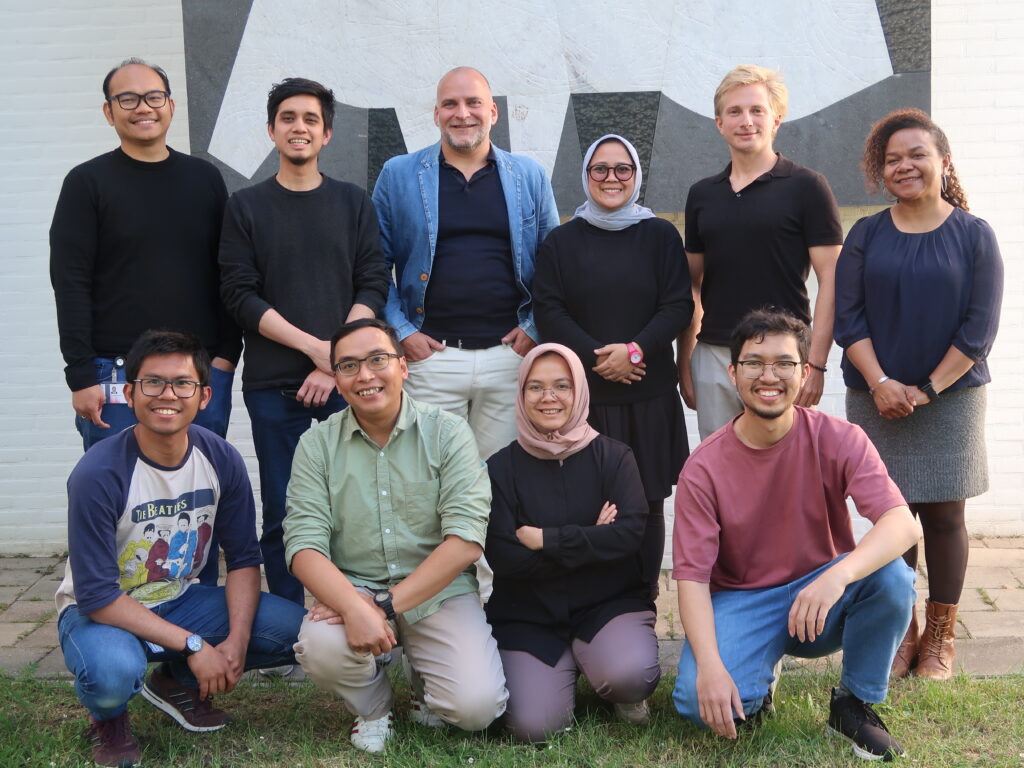
The week kicked off in a humble, windowless room inside the Forum building—the only available space—but the lack of sunlight didn’t dim the spirits in the room. Instead, an atmosphere filled with excitement and curiosity buzzed through the air as PhD participants from Indonesia and the Caribbean gathered. The morning began with everyone sharing their expectations for INREEF Week, setting a tone of openness and enthusiasm. This was followed by a series of engaging presentations from each participant, which sparked lively discussions and thoughtful questions. Right from the start, a warm sense of community and shared purpose took root, promising a truly memorable experience.
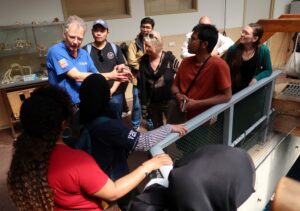
 

The next day, the group stepped into a world of saltwater science and marine magic at Burgers’ Zoo in Arnhem. The day began with a behind-the-scenes tour of the Ocean exhibit, guided by Max Janse, the zoo’s senior aquarist and coral expert. Max welcomed the group with a passionate recount of his 20-year journey developing and managing the zoo’s coral reef systems. As he led the group through the maze of pipes, tanks, and filtration systems hidden behind the public displays, he explained how every coral, fish, and invertebrate in the aquarium is carefully selected and placed, down to understanding their behaviors, needs, and natural interactions. It was a masterclass in aquatic ecosystem design, showcasing just how much science, patience, and care go into recreating a thriving coral reef on land. Participants (well, at least I am!!) were fascinated to learn how water chemistry is meticulously monitored to mimic the ocean’s delicate conditions, and how even subtle shifts in salinity or temperature can dramatically affect coral health.

The tour continued to the shark tank, where Max shared the story of how even apex predators like sharks are sensitive and complex creatures. He described the daily feeding routines and health monitoring protocols, including an incident where a shark refused to eat for days, simply because the food offered didn’t match what it had been accustomed to in its previous home. It was a vivid reminder of how attuned these animals are to their environment and how important it is to understand individual animal behavior when caring for them in captivity.
 

Later, the group explored the zoo’s mangrove habitat—remarkably, the only one of its kind in the Netherlands. The exhibit was built with real mangrove trees transported from the Caribbean, creating a lush, living system where land and sea meet. Here, the group watched gentle manatees gliding gracefully through the water, munching on cabbage leaves, their sheer size and serenity leaving everyone in awe. But one of the unexpected highlights was the mudskipper, a curious little fish that lives at the boundary between land and water. With bulging eyes capable of independently scanning both above and below the waterline, it captivated everyone with its strange yet brilliant design.


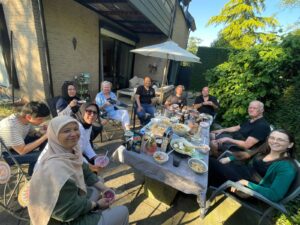
The day concluded on a warm welcome with a potluck dinner hosted by our team member. Gathered in her cozy home with a beautiful garden, the group shared homemade dishes, laughter, and lively stories. As plates were passed and conversations flowed, topics ranged from Eurovision trivia to personal anecdotes. The evening was more than a meal—it was a celebration of shared experience, a deepening of friendships, and a reminder of how science is as much about people and connection as it is about data and discovery.
Day three began with a transdisciplinary simulation game designed and facilitated by a PhD candidate and one of his students. Participants were divided into two large groups, each representing different sets of stakeholders in a fictional—but highly relatable coastal region. One group stepped into the shoes of local government, NGOs, and community members, while the other represented investors?. At first, the rules of the game felt a bit abstract, and it took a moment for everyone to find their footing. But soon, the room was alive with strategic negotiations, passionate advocacy, and unexpected alliances.

Some participants immersed themselves in their roles with theatrical flair—arguing, persuading, and proposing compromises (I remember vividly; one of participant was really into it) while others took a more analytical approach. Beyond the fun, the game served as a powerful reflection tool. It illuminated the complexity of real-world coastal management and underscored the value of empathy and communication in transdisciplinary work. By the end, participants were both laughing and thinking deeply, offering thoughtful feedback to refine the game and even suggesting ways to adapt it for use in classrooms or workshops. The session proved that serious learning can also be playful, and that stepping into someone else’s shoes—even just for an hour—can lead to surprising insights and stronger collaboration.

The afternoon unfolded into one of the thoughtful and constructive moments: an open discussion session designed to reflect, share, and move forward together. The session kicked off with a series of guiding questions projected on the wall—simple, yet powerful prompts such as “What do you value most about INREEF?”, “What challenges are you facing?” and “How can we better collaborate and communicate?” Large sheets of paper, each dedicated to one of these questions, were spread around the room. Participants were invited to move freely between them in timed ten-minute rounds. During each round, they took a few quiet moments to write down their thoughts, ideas, concerns, hopes, and even suggestions. The energy was both calm and electric. Some jotted down ideas quickly, while others paused, deep in thought, before adding their words. As the rounds continued and the papers filled up, patterns began to emerge—recurring themes of what people valued, common struggles, and a growing desire for clearer coordination

The long-awaited symposium was finally here. The morning was kept intentionally free to give participants time for final preparations. Some took advantage of the quiet hours to rehearse their talks one last time, polishing slides and tightening narratives, while others found quiet corners for reflection or small-group run-throughs (at least I think so). Despite a few late-night and even same-morning submissions—one participant emailed their PowerPoint just minutes before the noon deadline, spirits remained high and the atmosphere was filled with lighthearted camaraderie. I, ever patient (although a bit anxious sometimes), managed the logistical puzzle with grace, ensuring that every presentation was in place before the program began (although at some points, some pictures did not appear as expected).

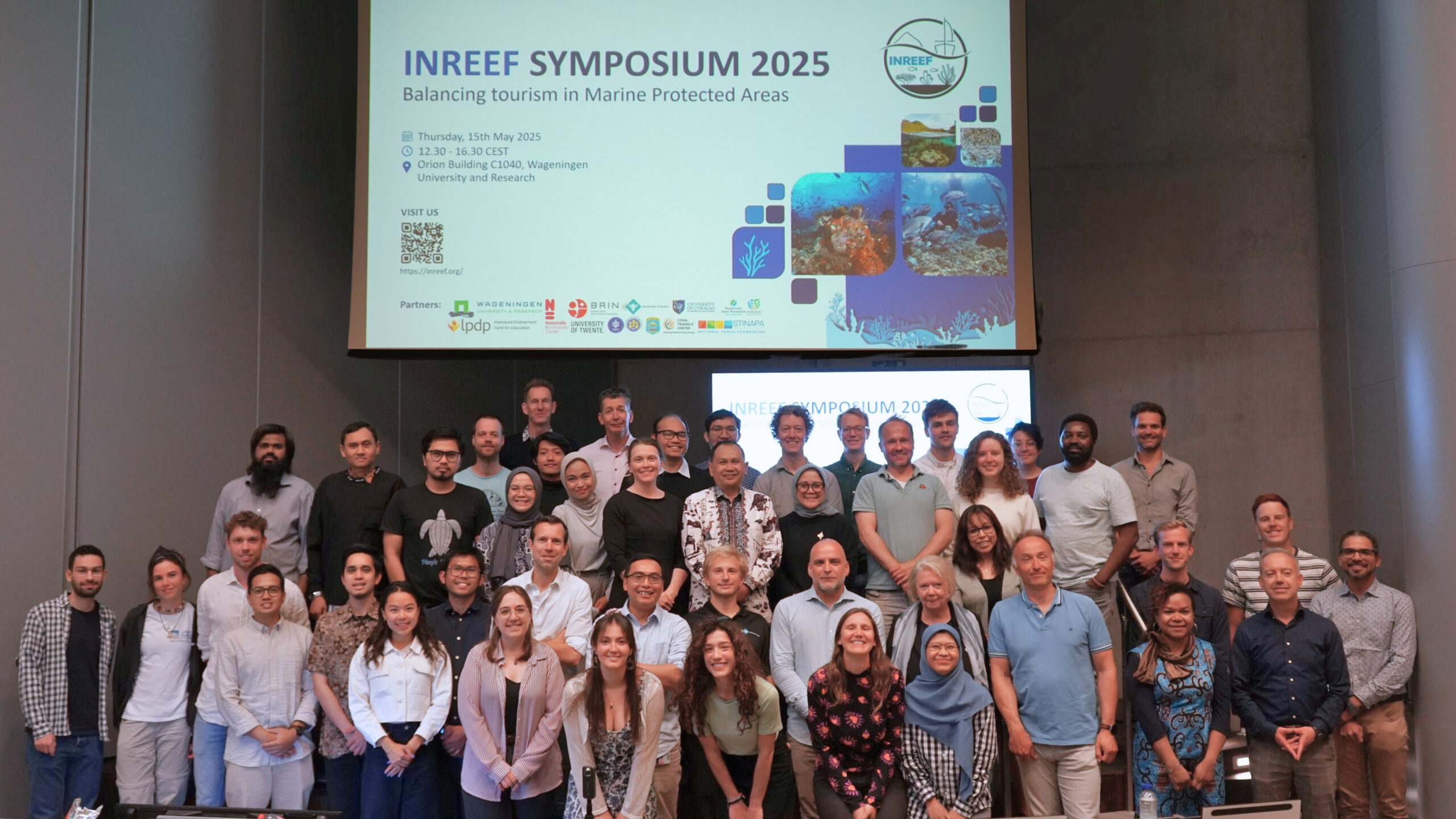
By early afternoon, the room had transformed into a mini-conference hall. The symposium opened to a full house of INREEF colleagues, mentors, and guests with an air of excitement and curiosity. One by one, participants took the stage to present their work. Each presentation offered a unique lens into the diverse facets of the INREEF project, ranging from wastewater management to socio-economic and ecology-hydrology sessions. After the final round of applause, the formal program gave way to a more relaxed setting. The informal borrel (drinks) session that followed wasn’t just a celebration—it was an extension of the day’s energy.

The last day of INREEF Week began quietly. Gathering not in the windowless Forum building but in the “dungeon” of the Leeweunborg building. The morning session echoed the collaborative spirit of Wednesday’s discussion format. Large sheets of paper were spread across the room, each bearing a key question: education and training, planning the 2026 meeting, and fieldwork planning. Participants moved from station to station, adding their reflections with colored markers—short notes, bullet points. The room was filled with soft conversation and scribbles of insight, and some stars were added if the points agreed with the written ones. Ideas sparked, problems were identified, and strategies began to take shape. The dialogue wasn’t always easy, but it was honest, constructive, and grounded in a shared commitment to make INREEF stronger.


It was the afternoon that would leave the most lasting impression. The structure loosened, and the tone shifted. What began as a reflective debrief gradually evolved into something more profound—a safe space for sharing personal stories. One by one, participants began to open up. They spoke about their journeys into science, the unexpected twists in their careers, and the emotional weight of fieldwork and data collections. As voices filled the room, so did emotion. INREEF Week concluded not with fanfare, but with something far more powerful: connection. Though some participants admitted the week felt intense, with packed schedules and deep discussions, many also expressed how meaningful and enriching the experience had been. The intensity, in fact, became part of its strength: it pushed ideas forward, sparked honest conversations, and fostered genuine bonds among participants.